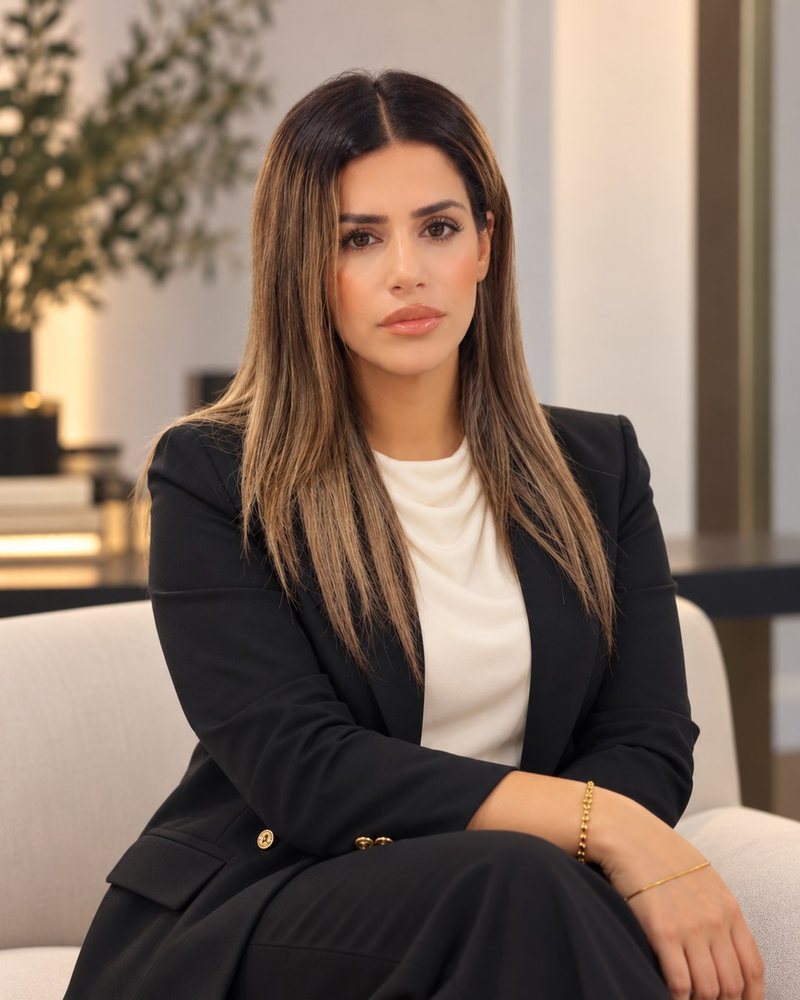
When a word changes how you see yourself
I still remember being in Year 6 and achieving the top marks in my class.
It should have been a moment of pride. Instead, my teacher told me that my results were a fluke and that other children deserved those marks more than I did.
I didn't know what the word fluke meant.
So I went home and asked my mum.
I doubt that teacher realised the impact those words would have. But they stayed with me long after I left that classroom.
For years, I carried the feeling that perhaps my achievements were accidental. That somehow I didn't deserve them. That even when I succeeded, it might not really count.
What makes that experience particularly significant is that I hadn't worked especially hard to achieve those results. I had ability, but I wasn't always engaged, challenged or supported in ways that helped me make the most of it.
I sometimes wonder what I might have achieved if someone had recognised that potential, understood how I learned and encouraged me to explore my abilities.
Not simply to achieve better grades, but to understand what I was capable of becoming.
I didn't know what the word fluke meant. So I went home and asked my mum.
The power of one teacher
Growing up, I was frequently described as naughty, unruly and defiant.
Those labels followed me through education. They described how adults experienced my behaviour, but rarely reflected any meaningful attempt to understand it.
Fortunately, my experience of education wasn't defined entirely by those moments.
I later encountered an extraordinary teacher who recognised something in me that others had overlooked.
Someone who saw beyond the labels.
Someone who encouraged rather than dismissed.
Someone who helped me begin to believe in myself.
That teacher helped bridge a gap that others had helped create.
It taught me something I would carry into my own career: the words we use, the expectations we hold and the way we respond to young people can shape how they see themselves for years to come.
Understanding myself through ADHD
Years later, during my PhD journey, I received an ADHD diagnosis.
And I welcomed it.
In fact, ADHD is a label I love.
Not because it defines everything about me, but because it helped explain so much of what I had experienced growing up.
The child who had been called naughty, unruly and defiant could finally be understood through a different lens.
I began to recognise how often behaviours can be misunderstood when we focus only on what we see, rather than taking the time to understand what lies beneath them.
I also found myself returning to the same question:
What might have been possible if my needs had been recognised earlier?
I cannot answer that question.
But it has profoundly influenced the educator I became.
The teacher I wanted to be
When I became a teacher, I knew there was one thing I never wanted to do.
I never wanted a child to leave my classroom carrying the kind of doubt that had followed me.
I didn't want my words to become the reason a young person questioned their intelligence, their worth or their place in education.
I wanted to be the teacher who looked beyond the surface.
The teacher who recognised strengths.
The teacher who understood that a child might need something different, rather than simply being expected to respond in the same way as everyone else.
One principle has remained central to my approach:
All behaviour is communication.
Behaviour can communicate many things: frustration, uncertainty, excitement, distress, unmet needs or difficulty expressing what someone is experiencing.
It is not always straightforward, and understanding behaviour does not mean removing expectations or boundaries.
It means approaching children with curiosity, compassion and the willingness to ask better questions.
Rather than simply asking, “Why is this child behaving like this?”, we should also ask:
“What might this child be communicating? What are we missing? What support might make a difference?”
For me, good education combines understanding with ambition. Children deserve both appropriate support and high expectations.
They deserve to be challenged without being diminished.
Seeing education through a parent's eyes
My experiences as a mother have deepened these beliefs further.
Watching my eldest son navigate his own difficult educational journey has shown me another side of the challenges families face.
As an educator, I understood the importance of appropriate support, communication and inclusive practice.
As a parent, I experienced how personal those challenges can become.
When a child struggles with education, the impact rarely stops at the school gates.
It can affect confidence, wellbeing, relationships and the entire family's experience of education.
Parents and carers can find themselves trying to navigate complex systems while advocating for their children and managing the emotional impact of those experiences.
That is why I believe meaningful educational support must recognise the wider circumstances surrounding a child.
We cannot separate education from families, wellbeing and belonging.
Why I founded GAP Education
GAP Education brings together the experiences that have shaped my life: being a learner who was misunderstood, becoming an educator determined to do things differently, and being a mother who understands the challenges families can face.
I wanted to help build something that recognises potential rather than simply measuring performance.
Something that listens before making assumptions.
Something that works alongside families and communities rather than deciding what they need without them.
And something that recognises that educational disadvantage, unmet needs and limited opportunities can affect people at different stages of their lives.
Our proposed programmes reflect that commitment.
GAP Families aims to support parents and carers through learning, connection, practical guidance and opportunities to shape the support available to their communities.
GAP Forward aims to help young people facing educational barriers build confidence, strengthen their skills and explore positive pathways.
GAP Together aims to create opportunities for connection, wellbeing and meaningful community participation.
These programmes are being developed as part of our wider charitable vision, with delivery dependent on appropriate funding, safeguarding arrangements and organisational readiness.
Building the bridge
When I think back to that little girl in Year 6, I still wonder what might have been different.
What if someone had recognised her potential without dismissing her achievements?
What if someone had understood her behaviour rather than labelling it?
What if she had been encouraged to discover how far her abilities could take her?
I cannot change that experience.
But I can use it to help shape something different.
I want GAP Education to be an organisation where people are listened to, differences are understood and potential is recognised.
Where young people feel valued.
Where families feel heard.
Where communities have opportunities to connect, participate and grow.
And where the right support can help turn possibility into opportunity.
Because potential is not always the problem. Sometimes, what is missing is the bridge.
And I believe we can help build it.
Ifza Shakoor
Founder, GAP Education